Understanding Soil pH: The Foundation of Plant Health
Soil pH is a measure of acidity or alkalinity on a scale from 0 to 14, with 7 being neutral. This seemingly simple number has profound effects on plant health, nutrient availability, and soil biology. For tropical fruit trees, getting the pH right is often the difference between thriving and struggling.
pH Scale and Plant Preferences
Acidic Soils (pH 4.0-6.5)
- • Mango: 5.5-7.5 (tolerant)
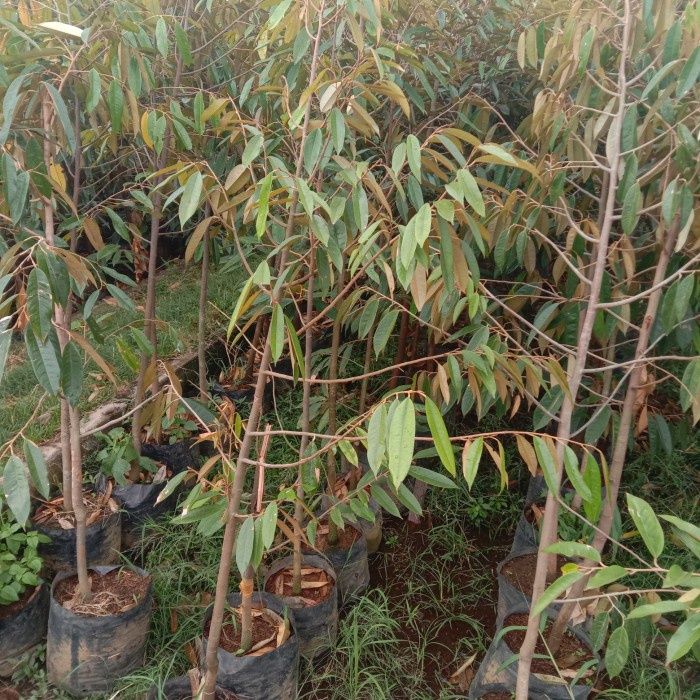
- • Durian: 5.5-6.5 (preferred)
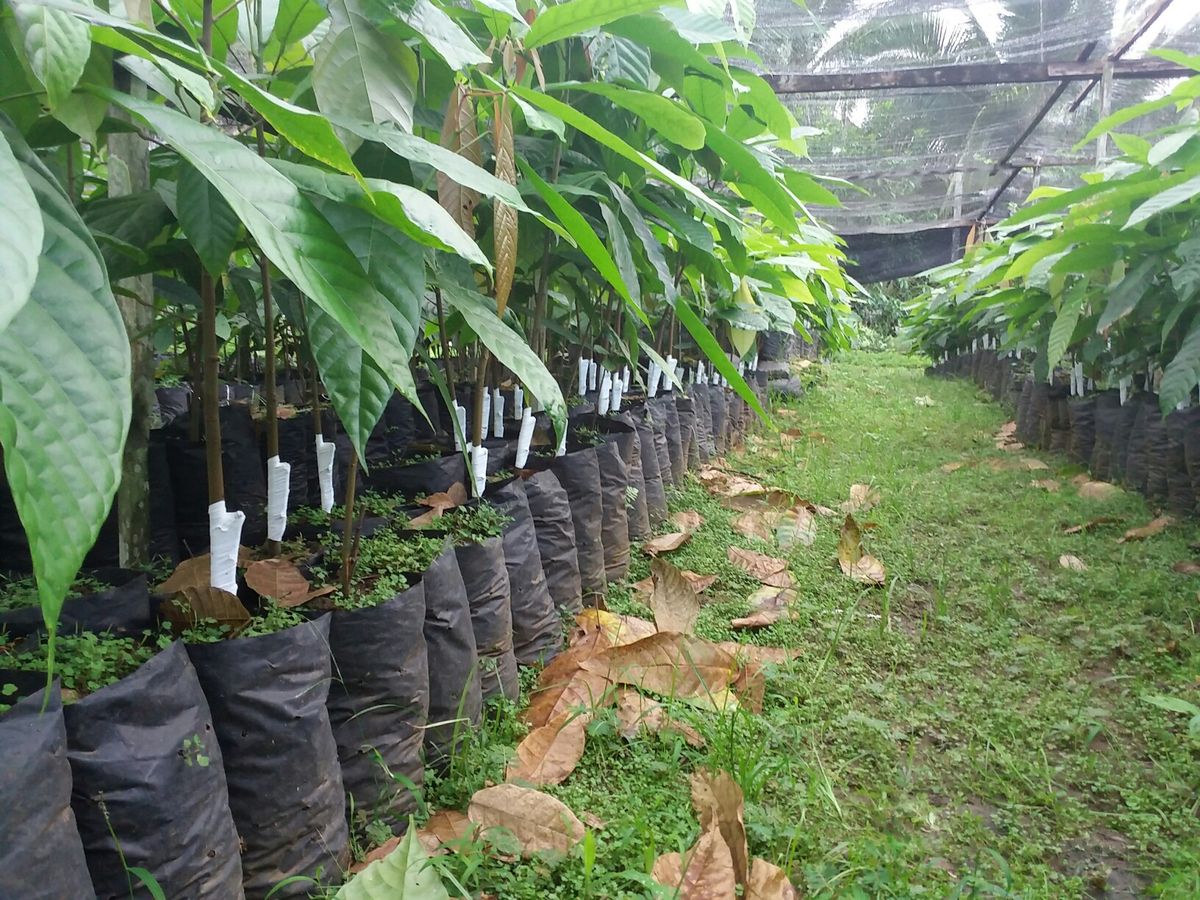
- • Cacao: 6.0-6.5 (optimal)
- • Avocado: 6.0-6.5 (preferred)
Neutral to Alkaline (pH 6.5-8.0)
- • Most tropical fruits: Can tolerate
- • Nutrient availability: May be limited
- • Iron deficiency: Common problem
- • Soil amendments: Often needed
How pH Affects Nutrient Availability
Different nutrients become available or unavailable at different pH levels. Understanding this relationship helps you diagnose plant problems and choose the right amendments.
Nutrient Availability by pH
Acidic Soils (pH 4.0-6.0)
Neutral Soils (pH 6.0-7.0)
Alkaline Soils (pH 7.0-8.5)
Testing and Adjusting Soil pH
Regular soil testing is essential for maintaining optimal growing conditions. Here's how to test and adjust your soil pH effectively.
Soil Testing Methods
Professional Testing
- • Accuracy: Most reliable method
- • Cost: ₱500-1,000 per sample
- • Information: pH, nutrients, organic matter
- • Frequency: Every 2-3 years
Home Testing Kits
- • Accuracy: Good for general guidance
- • Cost: ₱200-500 per kit
- • Information: Basic pH and nutrients
- • Frequency: Every 6 months
pH Adjustment Methods
Raising pH (Making Less Acidic)
- • Agricultural lime: 2-5 tons/hectare
- • Dolomite lime: Adds magnesium too
- • Wood ash: 1-2 kg per square meter
- • Timing: Apply 2-3 months before planting
Lowering pH (Making More Acidic)
- • Elemental sulfur: 1-2 kg per square meter
- • Aluminum sulfate: Quick acting
- • Organic matter: Compost, peat moss
- • Timing: Apply 3-6 months before planting
Organic Matter: The Life of the Soil
Organic matter is the decomposed remains of plants and animals. It's the foundation of healthy soil, providing nutrients, improving structure, and supporting beneficial soil organisms. For tropical fruit trees, adequate organic matter is crucial for long-term success.
Benefits of Organic Matter
Physical Benefits
- • Water retention: Holds 20x its weight in water
- • Drainage: Improves soil structure
- • Aeration: Creates pore spaces for roots
- • Erosion control: Binds soil particles
Chemical Benefits
- • Nutrient storage: Cation exchange capacity
- • pH buffering: Resists pH changes
- • Nutrient release: Slow, steady supply
- • Micronutrients: Source of trace elements
Building Organic Matter in Your Soil
Increasing organic matter is a long-term process that requires consistent effort. Here are the most effective methods for building soil organic matter in tropical conditions.
Organic Matter Sources
Compost
- • Application: 5-10 cm layer annually
- • Benefits: Balanced nutrients
- • Cost: Can make your own
- • Timing: Any time of year
Well-Rotted Manure
- • Application: 2-5 cm layer annually
- • Benefits: High nitrogen content
- • Cost: ₱50-100 per bag
- • Timing: Before planting season
Cover Crops
- • Application: Plant and till in
- • Benefits: Nitrogen fixation
- • Cost: Seed cost only
- • Timing: Between crop cycles
Organic Matter Targets
Low (0-2%)
Poor soil health, needs immediate improvement
Moderate (2-5%)
Adequate but can be improved
High (5%+)
Excellent soil health, maintain levels
Practical Application for Tropical Fruit Trees
Now that you understand the basics, here's how to apply this knowledge to your tropical fruit tree orchard for optimal results.
Pre-Planting Soil Preparation
Prepare your soil 3-6 months before planting to allow amendments to integrate properly.
- • Test soil pH and organic matter content
- • Apply lime or sulfur based on test results
- • Add 10-20 cm of compost or well-rotted manure
- • Till to 60-80 cm depth to mix amendments
- • Allow soil to settle for 2-3 months
Ongoing Soil Maintenance
Maintain soil health throughout the life of your trees with regular organic matter additions.
- • Apply 5-10 cm of compost annually around tree base
- • Use mulch to conserve moisture and add organic matter
- • Test soil every 2-3 years to monitor changes
- • Adjust pH as needed based on test results
- • Consider cover crops between tree rows
Troubleshooting Common Problems
Recognize and address soil-related issues before they affect tree health.
- • Yellow leaves: Check pH and iron availability
- • Poor drainage: Add organic matter and sand
- • Slow growth: Test for nutrient deficiencies
- • Root rot: Improve drainage and reduce watering
- • Nutrient burn: Reduce fertilizer, increase organic matter
Soil Health Monitoring
Regular monitoring helps you catch problems early and maintain optimal growing conditions. Here's a simple monitoring schedule you can follow.
Monitoring Schedule
Monthly Checks
- • Visual inspection of plant health
- • Soil moisture levels
- • Mulch condition and coverage
- • Drainage after heavy rains
Annual Checks
- • Professional soil test
- • Organic matter content
- • pH levels
- • Nutrient availability