Understanding Cacao's Natural Habitat
Cacao trees (Theobroma cacao) are native to the understory of tropical rainforests, where they thrive under the protection of taller canopy trees. This natural environment provides the key to successful cacao cultivation: consistent shade, high humidity, and protection from direct sunlight and strong winds.
Optimal Shade Management
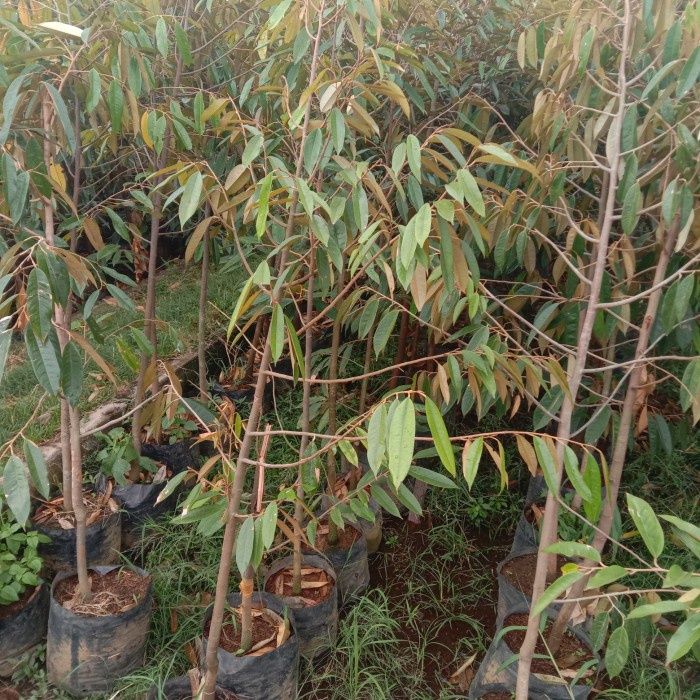
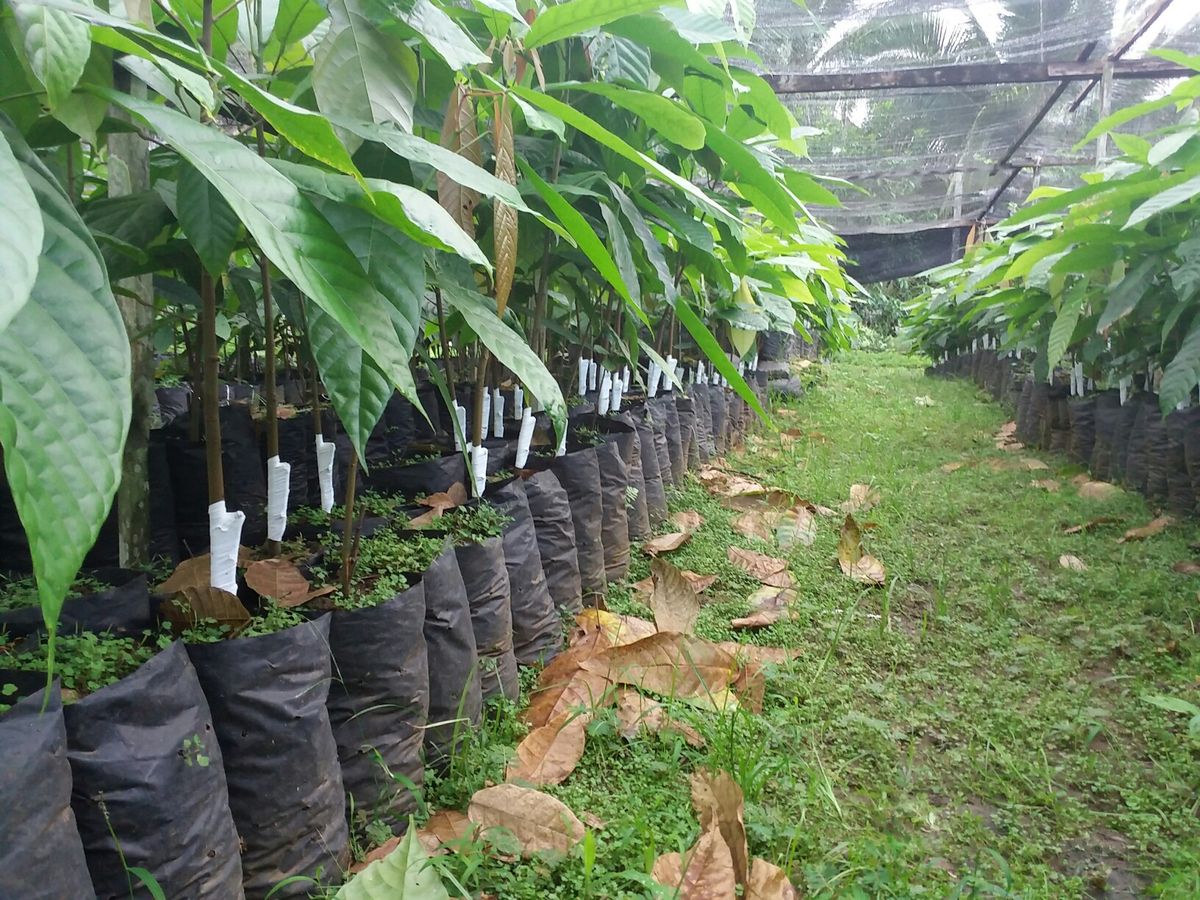
Young cacao seedlings require 50-70% shade during their first two years. This can be achieved through:
Shade Options for Young Cacao
- Banana plants: Provide temporary shade and can be removed as cacao matures
- Gliricidia sepium: Nitrogen-fixing shade tree that can be pruned regularly
- Shade cloth: 50-70% shade cloth for precise control
- Existing trees: Utilize mature trees already on your property
Watering Requirements
Cacao trees need consistent moisture but cannot tolerate waterlogged conditions. Here's how to water effectively:
Watering Schedule
- • First 6 months: Water every 2-3 days
- • 6-12 months: Water 2-3 times per week
- • After 1 year: Water weekly or as needed
- • Dry season: Increase frequency
Watering Tips
- • Water deeply to encourage root growth
- • Avoid wetting the leaves
- • Check soil moisture 2-3 inches deep
- • Mulch around the base to retain moisture
Soil Preparation and Improvement
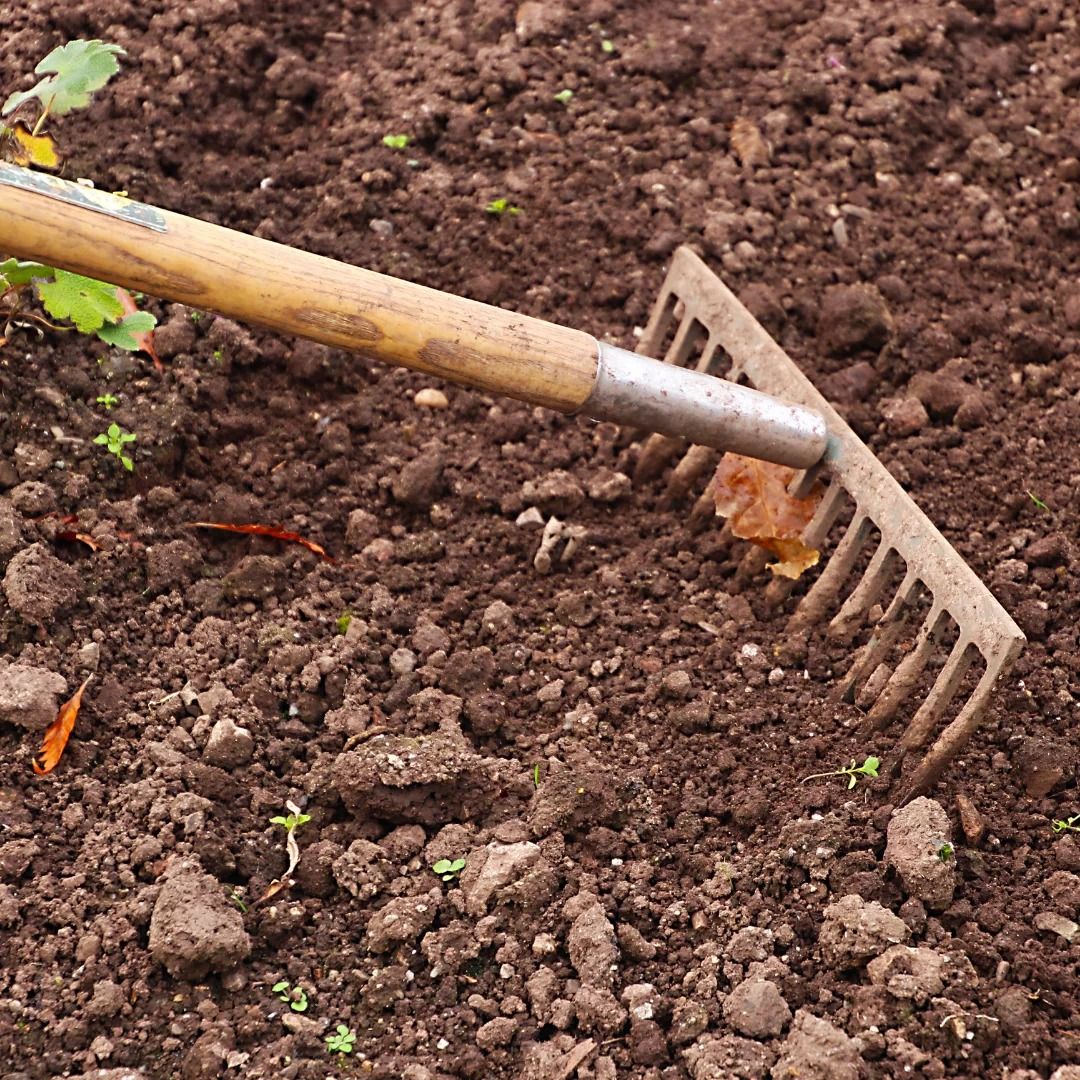
Cacao prefers well-draining, slightly acidic soil (pH 6.0-6.5) rich in organic matter. Here's how to prepare your planting site:
Soil Preparation Steps
- 1 Test soil pH and amend if necessary with lime (to raise pH) or sulfur (to lower pH)
- 2 Dig planting holes 2x2x2 feet and mix native soil with compost (50:50 ratio)
- 3 Add slow-release fertilizer or well-rotted manure to the planting mix
- 4 Ensure proper drainage by creating raised beds if needed
Ongoing Care and Maintenance
Once established, cacao trees require regular attention to thrive and produce quality beans:
Pruning
Remove dead or diseased branches, maintain a single trunk for the first 2-3 years, and shape the canopy for optimal light penetration.
Fertilization
Apply balanced fertilizer (NPK 15-15-15) every 3 months, increasing amounts as the tree grows. Organic options include compost and well-rotted manure.
Pest and Disease Management
Monitor for common issues like black pod disease, mirid bugs, and mealybugs. Use integrated pest management practices and organic treatments when possible.
Common Mistakes to Avoid
- Too much direct sunlight: Young cacao cannot handle full sun exposure
- Overwatering: Leads to root rot and fungal diseases
- Poor drainage: Cacao roots will suffocate in waterlogged soil
- Inadequate spacing: Plant trees at least 3-4 meters apart
Timeline to First Harvest
With proper care, cacao trees typically begin flowering in 2-3 years and produce their first harvestable pods in 3-4 years. The timeline depends on variety, growing conditions, and care quality.